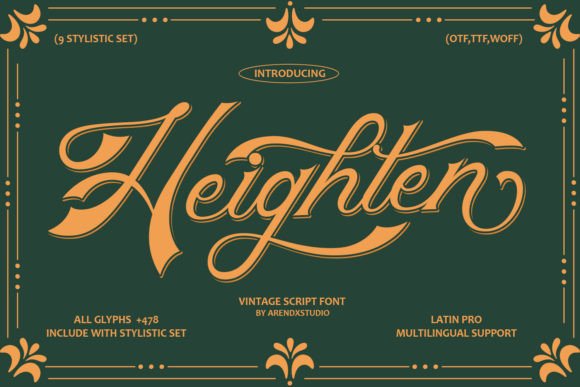
Happy History Font
Happy History is a cheerful, casual handwritten font that blends vintage charm with modern simplicity. Its playful curves and smooth strokes evoke nostalgia while remaining fresh and versatile. Designed for editorial use, it brings a warm, inviting tone to any project that requires personality and readability.
As a script font, Happy History offers a unique balance between artistic flair and legibility. Its soft, flowing lines make it ideal for headings, titles, and decorative elements without sacrificing clarity. Whether used in print or digital formats, it adds a human touch that resonates with readers.
Editorial Design with Happy History
For publishers and content creators, Happy History is a valuable tool in editorial design. It excels in creating visually engaging layouts that capture attention while maintaining a professional appearance. Its versatility makes it suitable for blog headers, magazine covers, ebook titles, and newsletter graphics.
In a lifestyle blog, for example, Happy History can be used as a headline font to introduce articles on travel, wellness, or personal development. Its friendly aesthetic aligns well with the tone of such content, making it an effective choice for attracting and retaining readers.
Brand Identity and Visual Hierarchy
Happy History supports strong visual hierarchy and brand identity. When used as a display font, it draws the eye to key sections like section headings, pull quotes, or cover text. Its distinct personality helps establish a consistent look across publications, reinforcing brand recognition.
For a recipe ebook, using Happy History in chapter openers or title pages creates a cohesive and appealing layout. The font’s warmth complements food-related content, enhancing the overall reader experience. Similarly, in a wedding guide, it can be used for headings and special notes, adding a personal and celebratory feel.
Readability and Practical Use
While Happy History is a script font, it maintains good readability in short bursts. This makes it best suited for titles, subtitles, and accent typography rather than long paragraphs. When used in conjunction with a readable serif or sans serif font, it creates a balanced and functional layout.
For print materials like printable planners or worksheets, Happy History adds a handcrafted touch that feels more personal. In digital formats, such as PDFs or mobile newsletters, its clean structure ensures it remains legible on various screen sizes and devices.
Font Pairing and Design Assets
Pairing Happy History with complementary fonts enhances its effectiveness. A classic serif font like Georgia or Garamond works well for body copy, providing contrast and readability. For modern designs, a clean sans serif like Open Sans or Lato can serve as a reliable companion for captions, navigation, and sidebars.
When selecting design assets, consider the full range of styles and alternates included with Happy History. These features allow for greater customization and help avoid repetition in layouts. Multilingual support is also beneficial for international audiences or multilingual publications.
Commercial Licensing and Usage
Happy History is a premium font that comes with commercial licensing options. This makes it suitable for a wide range of projects, including ebooks, templates, printables, paid newsletters, client publications, and digital downloads. Always verify the license terms to ensure compliance with your intended use.
For independent content creators and small businesses, Happy History offers a cost-effective way to elevate their visual branding. Whether designing a coaching workbook or a creator newsletter, it adds a distinctive character that sets work apart from generic templates.
Applications in Digital and Print Media
Happy History is particularly effective in social media graphics, where its playful style can grab attention and reflect brand personality. It also works well in packaging design, where a handwritten touch can convey authenticity and creativity.
In a digital magazine, using Happy History for headlines and subheadings introduces a dynamic visual rhythm. For a printable worksheet, it adds a personalized flair that makes the content feel more engaging and approachable.
Creating Engaging Content
By integrating Happy History into article layouts, designers can create a more immersive reading experience. Its ability to evoke emotion and add visual interest makes it a powerful tool for content engagement. Whether used in a quote graphic or a lead magnet, it helps build a stronger connection with the audience.
For editorial designers, Happy History is more than just a font—it’s a design asset that contributes to the overall tone and appeal of a publication. Its blend of vintage and modern elements makes it a timeless choice for creative professionals seeking to enhance their work with personality and style.